
Understanding Opioid Detox and Recovery
The journey to recovery from opioid dependence often begins with detoxification—the process by which the body clears itself of substances. While this stage is challenging, understanding the science behind it and the symptoms involved can help you or your loved one prepare for a successful transition to a drug-free life.
Understanding Opioid Detox and Recovery
Opioids are a broad class of drugs used primarily for pain relief. They work by binding to specific receptors in the brain, spinal cord, and gastrointestinal tract. When these receptors are activated, they block pain signals and release a surge of dopamine, which can create a feeling of euphoria or intense relaxation.
Common opioids include:
Prescription Painkillers: Oxycodone (OxyContin), Hydrocodone (Vicodin), Morphine, and Codeine.
Synthetic Opioids: Fentanyl (highly potent and often used in medical settings).
Illicit Drugs: Heroin.
What Causes Opioid Dependence?
Opioid dependence is a physiological response to the regular use of the drug. Over time, the brain becomes accustomed to the presence of opioids and adjusts its chemistry to function “normally” only when the drug is present.
Tolerance: The brain requires higher doses to achieve the same effect.
Physical Dependence: The body’s “baseline” shifts. If the drug is suddenly stopped, the systems that were being suppressed (like heart rate and wakefulness) overreact, leading to withdrawal.
The Reward Loop: By hijacking the brain’s reward system, opioids create a powerful psychological drive to continue use, even when it becomes harmful.
What Causes Opioid Dependence?
Withdrawal is often described as a “flu on steroids.” While rarely life-threatening for healthy adults, the discomfort is significant and is a primary reason many individuals find it difficult to quit without professional support.
Early Symptoms (usually starting within 6–24 hours
Muscle aches and joint pain
Restlessness and severe anxiety
Lacrimation (excessive tearing) and runny nose
Excessive sweating and frequent yawning
Inability to sleep (insomnia)
Late Symptoms (peaking after 48–72 hours):
Abdominal cramping and diarrhea
Nausea and vomiting
Rapid heartbeat (tachycardia)
High blood pressure
Goosebumps (piloerection) and chills
Dilated pupils and blurred vision
The Detox Process
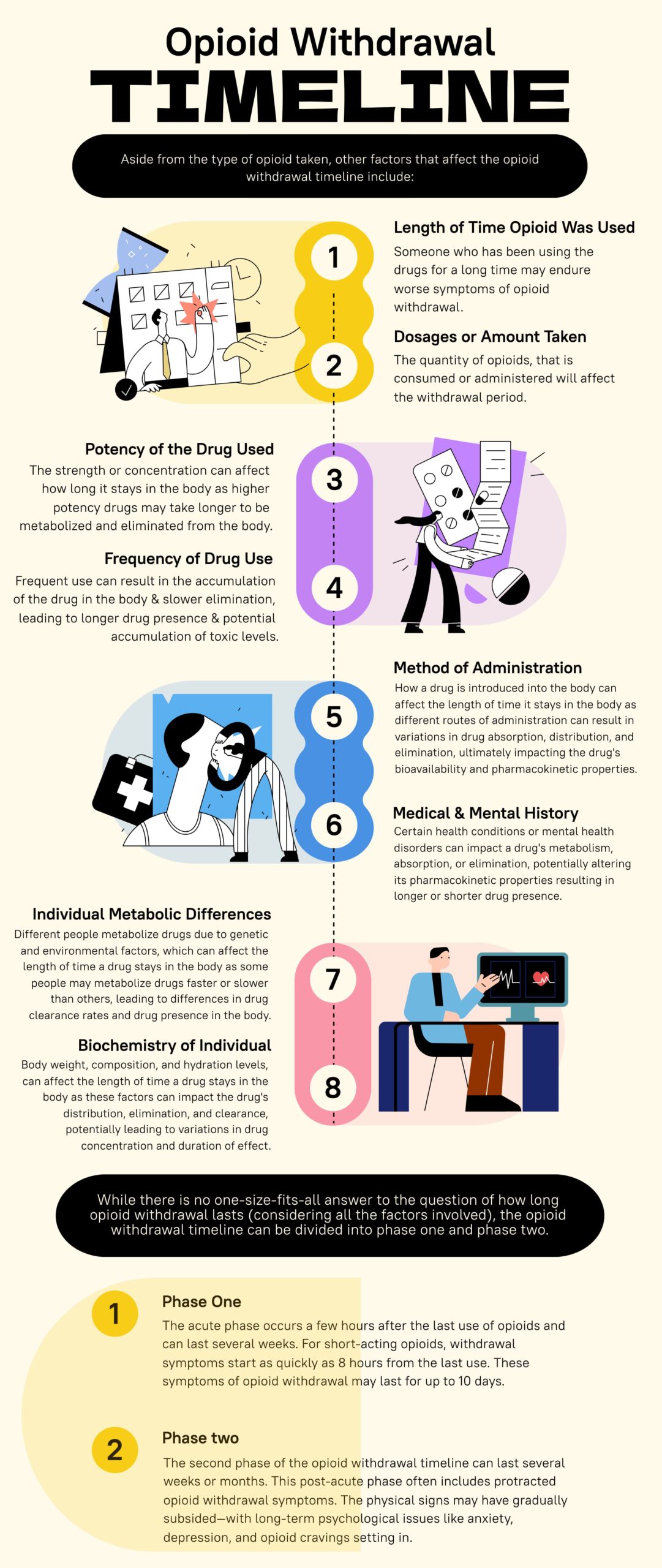
A professional detox program is designed to manage these symptoms safely and comfortably. It typically involves three key stages:
Evaluation: Medical professionals test for the presence of substances and screen for co-occurring mental or physical health issues.
Stabilization: This is the core of detox. Patients may be prescribed medications like Buprenorphine or Methadone to reduce cravings, or non-narcotic options like Clonidine to manage anxiety and physical discomfort.
Transition to Treatment: Detox clears the body, but it does not “cure” addiction. The final stage involves preparing the patient for long-term therapy or a residential treatment program to address the underlying causes of use.
Why Seek Professional Help?
Attempting “cold turkey” detox at home carries a high risk of relapse. Because withdrawal lowers a person’s tolerance, a relapse during this phase is particularly dangerous and can lead to accidental overdose. Medically supervised detox provides a controlled environment, reducing the “fear of withdrawal” and significantly increasing the chances of long-term sobriety.
Ready to take the first step?
Our clinical team is here to provide a safe, serene, and supportive environment for your recovery. Contact us today to learn more about our personalized detox programs.